Does Blue Light Affect Circadian Rhythm?
Updated August 2026: I’ve been monitoring the latest research on blue light and its impact on our circadian rhythms, and the developments in 2024-2025 are truly eye-opening. In my recent research, I came across groundbreaking studies showing that specific wavelengths of blue light emitted from screens are more disruptive than previously thought, especially during evening hours. Additionally, new wearable technology released this year now tracks blue light exposure in real-time and offers personalized recommendations to protect your sleep cycle, which is a game-changer for those concerned about digital eye strain and circadian health.
Understanding Circadian Rhythm and Blue Light
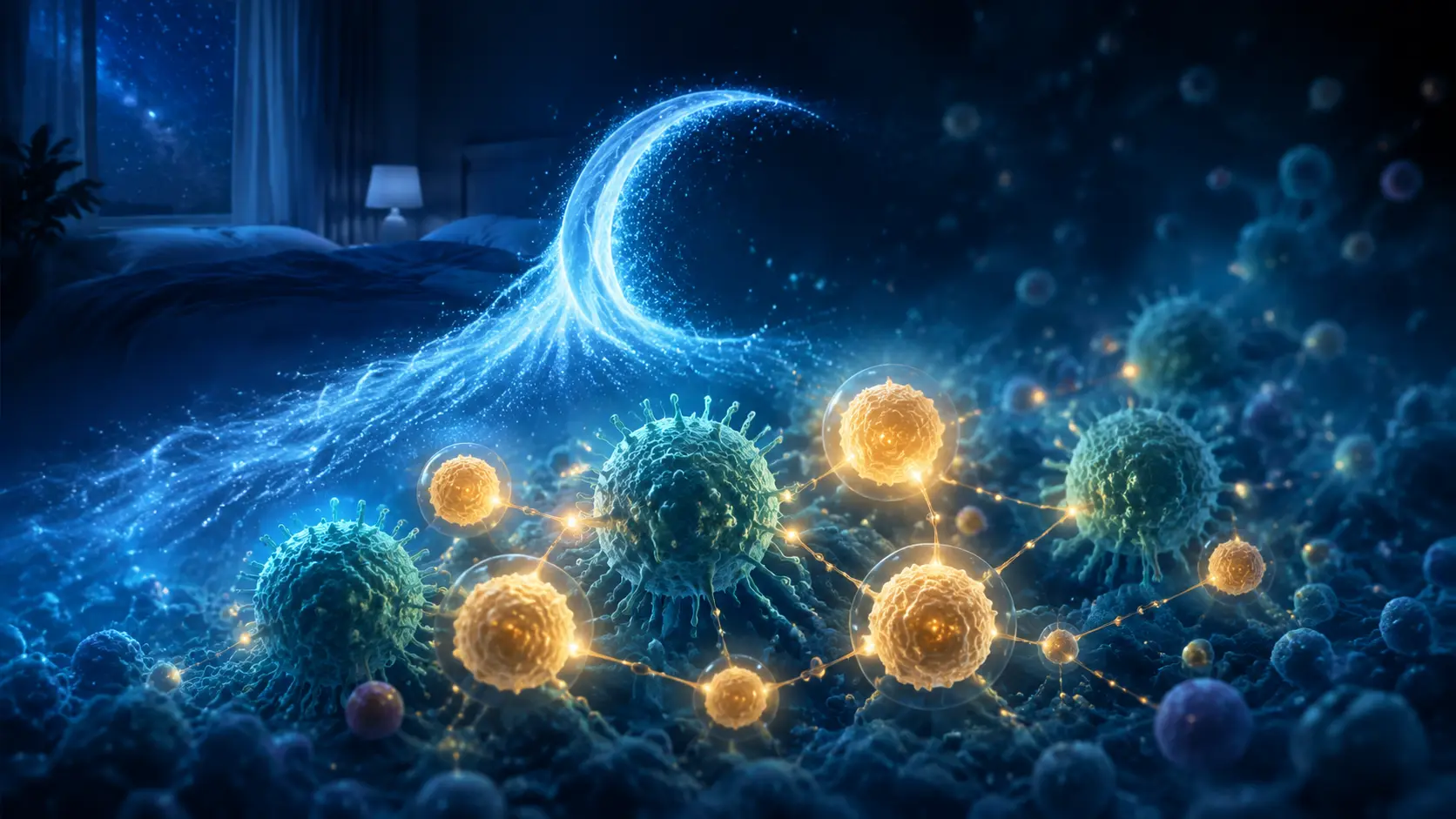
Blue light affects circadian rhythm because light is one of the most powerful signals controlling the body’s internal clock. Circadian rhythm regulates sleep-wake timing, hormone release, alertness, metabolism, and many other biological processes linked to healthy aging. When light exposure happens at the right time, it helps keep the body aligned with the natural day-night cycle. When it happens at the wrong time, especially late in the evening, it can disrupt that rhythm.
Blue light is particularly influential because short-wavelength light strongly affects the brain’s circadian system. It helps regulate melatonin, the hormone that signals the body to prepare for sleep. Evening exposure to blue light from phones, tablets, televisions, computers, and bright indoor lighting can delay melatonin release, making it harder to fall asleep and shifting the body’s sleep schedule later. Learn more in our complete guide to longevity.
This matters for more than sleep alone. Circadian disruption can influence metabolism, inflammation, mood, cognitive performance, and long-term health biomarkers. In longevity science, maintaining a strong circadian rhythm is increasingly recognized as an important part of supporting better healthspan and healthy aging.
How Blue Light Influences Sleep Patterns
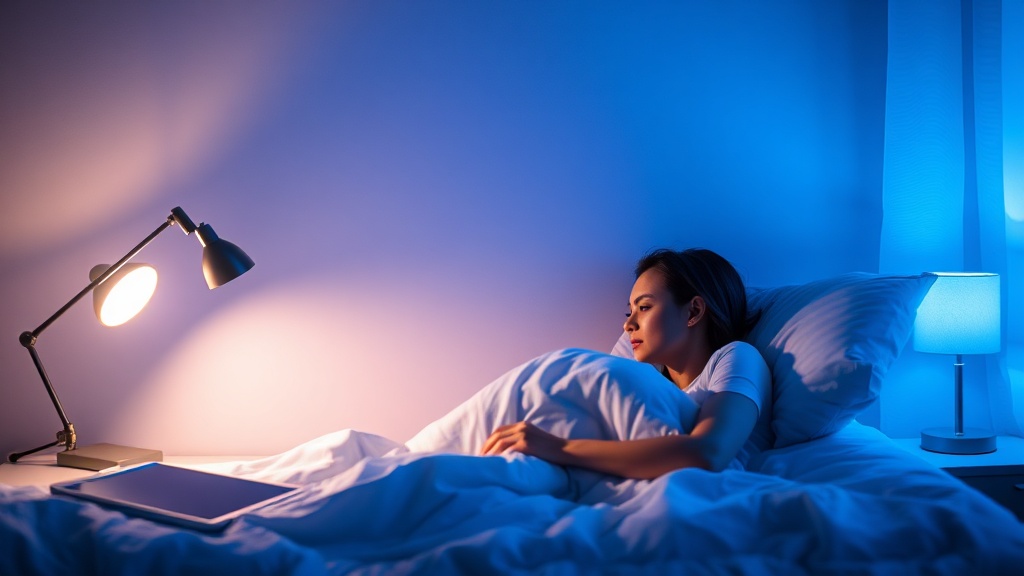
Blue light influences sleep patterns mainly by increasing alertness and delaying the body’s normal transition into sleep mode. Short-wavelength light is especially effective at suppressing melatonin, which can push bedtime later and reduce sleepiness in the evening. This is why people often feel more awake after prolonged screen exposure at night, even if they are physically tired.
The effect is not only about how long a person uses a device, but also about timing, brightness, and proximity to the eyes. Exposure during the biological night has the greatest disruptive potential because it sends the brain a signal that it is still daytime. Over time, repeated evening exposure can make sleep onset more difficult, reduce sleep duration, and weaken overall sleep quality.
How Evening Screen Time Affects Circadian Rhythm
Evening screen time is one of the most common modern causes of circadian disruption. Phones, laptops, tablets, and televisions emit light that can delay the body’s internal clock, particularly when used close to bedtime. For people who already struggle with sleep, this can worsen sleep latency, reduce deep sleep opportunity, and create a pattern of going to bed later while still needing to wake early.
The result is often sleep debt, daytime fatigue, and a weaker circadian rhythm over time. This matters because poor sleep quality does not only affect energy. It can also affect metabolic health, inflammation, mood stability, and other factors tied to long-term wellbeing. Managing evening screen exposure is therefore one of the more practical ways to support both sleep health and broader healthy aging.
Scientific Insights on Blue Light and Circadian Rhythm
What Does Research Say About Blue Light and Circadian Disruption?
Research supports the conclusion that blue light can disrupt circadian rhythm when exposure occurs late in the day. The biological mechanism involves light-sensitive cells in the retina that communicate directly with the suprachiasmatic nucleus, or SCN, the master clock in the brain. This system uses light information to decide whether the body should be alert or preparing for sleep.
When bright blue-rich light is present in the evening, the brain receives a daytime-like signal. That can delay melatonin onset, shift circadian timing later, and interfere with normal sleep patterns. Repeated circadian disruption may have downstream effects on mood, metabolic regulation, inflammation, and other health outcomes relevant to longevity.
How Light Wavelengths Play a Role in Circadian Regulation
Not all wavelengths affect the circadian system equally. Blue wavelengths are especially potent because the retinal cells involved in circadian signaling are particularly sensitive to this part of the light spectrum. This is why blue light tends to have a stronger impact on alertness and melatonin suppression than warmer, longer-wavelength light.
During the day, this is beneficial. Morning and daytime light exposure helps reinforce alertness, regulate circadian timing, and support stronger sleep later at night. In the evening, however, excessive blue-rich light can work against the body’s natural rhythm. This difference explains why daytime sunlight is helpful for circadian health, while late-night screen exposure can be disruptive.
Practical Tips to Manage Blue Light Exposure
What Strategies Can Help Reduce Blue Light Impact?
One of the simplest ways to reduce the circadian impact of blue light is to limit screen exposure in the hour or two before bed. This gives melatonin the opportunity to rise more naturally and helps the brain shift into a sleep-ready state. Warm, dim lighting in the evening is generally more supportive of circadian rhythm than bright overhead lights or close-up screen use.
Other practical strategies include using night mode settings on devices, dimming screens, lowering room brightness after sunset, and choosing non-screen activities before bed such as reading, stretching, or light conversation. These steps reduce evening alerting signals and make it easier for the body to recognize that it is nighttime.
Should Blue Light Filters or Glasses Be Used?
Blue light filters and blue light blocking glasses can be useful tools, especially for people who need to use devices in the evening. These approaches may reduce the amount of short-wavelength light reaching the eyes, which can help lessen melatonin suppression. However, they work best as part of a broader strategy rather than as a complete solution on their own.
Behavior still matters. A bright device used late at night, even with a filter, may still promote mental stimulation and delay sleep. The most effective approach usually combines reduced screen time, warmer lighting, better sleep timing, and an evening routine that supports winding down rather than maintaining alertness.
Why Blue Light Management Matters for Healthy Aging
How Better Light Habits Support Sleep and Health
Managing blue light exposure is not only about falling asleep faster. It can also support sleep quality, next-day energy, and stronger circadian alignment over time. Better circadian rhythm supports healthier hormone timing, metabolic regulation, mood stability, and cognitive performance. These are all important for healthspan, not just daily comfort.
When circadian rhythm becomes chronically misaligned, the effects may extend beyond poor sleep. Long-term circadian disruption has been associated with worse metabolic health, increased inflammatory burden, and impaired recovery. That is why light exposure deserves a place in conversations about lifestyle, biomarkers, and healthy aging.
Small Changes Can Make a Meaningful Difference
Many people do not need a complete lifestyle overhaul to improve circadian health. Small changes such as dimmer evening lighting, less late-night screen use, more morning daylight exposure, and a more consistent bedtime can make a meaningful difference. These habits help strengthen the contrast between day and night, which is exactly what the circadian system needs.
For anyone interested in better sleep, improved resilience, and long-term wellbeing, light hygiene is one of the most practical adjustments available. Blue light management is not a niche sleep tactic. It is a useful part of a broader strategy for better recovery, healthier aging, and improved overall lifestyle balance.
Conclusion
Blue light affects circadian rhythm by suppressing melatonin, increasing alertness, and shifting sleep timing later when exposure happens in the evening. Because circadian rhythm influences sleep, metabolism, mood, inflammation, and broader health outcomes, this effect matters far beyond bedtime alone.
Managing blue light exposure through better lighting habits, reduced evening screen use, and more consistent routines can support stronger sleep and healthier circadian timing. These simple changes can make a meaningful difference to sleep quality, daily energy, and long-term healthy aging.
References and Resources
These resources provide useful background on blue light, melatonin, circadian rhythm, sleep timing, and broader health effects:
Authoritative Sources on Blue Light Affect Circadian Rhythm
- NIH: Blue Light Disrupts Circadian Rhythm
nih.gov
Explains how blue light exposure affects melatonin, sleep timing, and circadian biology.
- Sleep Foundation: Why Light Matters
sleepfoundation.org
Provides practical and scientific insight into how light influences sleep and circadian rhythm.
- NCBI: The Impact of Blue Light on Circadian Rhythms
ncbi.nlm.nih.gov
Reviews scientific findings on light exposure, melatonin suppression, and circadian disruption.
- Johns Hopkins Medicine: How Blue Light Affects Your Sleep
hopkinsmedicine.org
Offers a clear medical overview of blue light’s effects on sleep and practical steps for better sleep hygiene.
- Science Daily: Blue Light and Sleep Disruption
sciencedaily.com
Summarizes research on how blue-rich light exposure can alter sleep timing and circadian regulation.
- Sleep Journal: Light Pollution and Circadian Rhythms
sleepjournal.org
Research-focused discussion of how artificial light exposure can disrupt natural circadian cycles.

- The Lancet Public Health: Light and Circadian Disruption
thelancet.com
Provides epidemiological perspective on light exposure, circadian disruption, sleep problems, and related health risks.
Frequently Asked Questions
Does blue light significantly affect circadian rhythm?
Yes. Blue light has a strong effect on circadian rhythm because it suppresses melatonin and signals alertness to the brain, especially when exposure occurs in the evening.
Can I still use devices at night without disrupting my circadian rhythm?
It is possible to reduce the impact by dimming screens, using night mode settings, wearing blue light blocking glasses, and keeping device use shorter and earlier. However, avoiding screens close to bedtime is usually more effective.
What are some practical ways to minimize blue light exposure?
Useful strategies include reducing evening screen time, using warm lighting at night, enabling blue light filters, dimming devices, and keeping the last hour before bed as low-stimulation as possible.
Is blue light exposure harmful during daytime?
During the day, blue light is generally helpful because it supports alertness and helps reinforce a healthy circadian rhythm. The main concern is excessive exposure late in the evening, when it can delay sleep timing.
Conclusion
Blue light affects circadian rhythm in a meaningful way, especially when exposure happens at night. By delaying melatonin release and increasing alertness, it can interfere with sleep onset, weaken circadian alignment, and contribute to poorer sleep quality over time.
Managing blue light exposure is one of the most practical ways to support better sleep hygiene, stronger circadian health, and healthier daily rhythms. Small, consistent adjustments to evening lighting and screen habits can have lasting benefits for sleep, recovery, and overall wellbeing.
Find out more information about “Blue Light Affect Circadian Rhythm”
Search for more resources and information: