What Is Vo₂ Max?
Updated September 2026: In my recent research, I’ve been monitoring the latest advancements in VO₂ Max testing technology, and 2025 has brought some exciting updates. The integration of AI-powered wearables now offers real-time, highly accurate VO₂ Max estimates, making it easier than ever to track cardiovascular fitness on the go. Additionally, recent studies highlight how personalized training protocols based on these new metrics are delivering faster improvements for athletes and fitness enthusiasts alike. I’ve updated my understanding of how these innovations are redefining performance benchmarks and health monitoring, emphasizing the importance of staying current with these cutting-edge tools.
VO₂ Max refers to the maximum amount of oxygen the body can utilize during intense physical activity. It is widely recognized as one of the most important indicators of aerobic fitness and cardiovascular performance.
This metric reflects how efficiently the lungs, heart, blood, and muscles work together to deliver and use oxygen during exercise. Higher VO₂ Max values typically indicate stronger cardiovascular function, improved endurance, and greater metabolic efficiency.
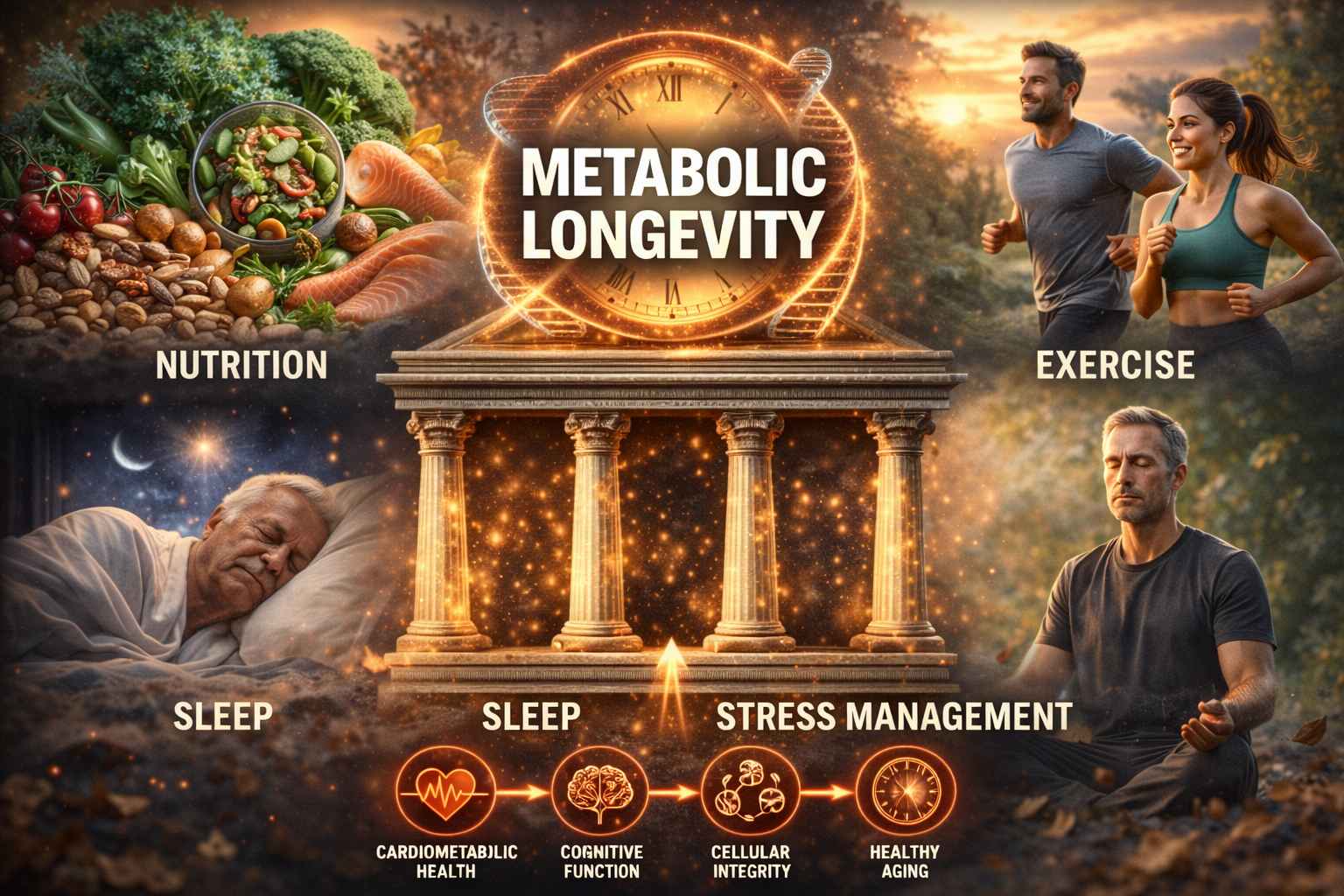
Beyond athletic performance, VO₂ Max has become an important biomarker in longevity science. Research consistently shows that higher cardiorespiratory fitness is strongly associated with reduced mortality risk, improved metabolic health, and longer healthspan. Learn more in our complete guide to longevity.
Understanding VO₂ Max helps provide insight into physical performance, metabolic health, and the body’s capacity to maintain energy production during demanding activity.
Understanding VO₂ Max: The Basics
What Does VO₂ Max Actually Measure?
VO₂ Max measures the maximum rate at which the body can consume oxygen during intense exercise. It reflects the combined efficiency of the respiratory, cardiovascular, and muscular systems working together to produce energy.
The measurement is typically expressed in milliliters of oxygen consumed per kilogram of body weight per minute (ml/kg/min). A higher value indicates greater aerobic capacity and improved endurance performance.
At a physiological level, VO₂ Max represents the body’s ability to deliver oxygen to working muscles and convert it into energy through aerobic metabolism. This process supports sustained physical activity and influences overall metabolic efficiency.
Why VO₂ Max Matters for Health and Longevity
VO₂ Max is strongly linked to cardiovascular health, metabolic function, and overall resilience during physical stress. Individuals with higher VO₂ Max levels generally demonstrate better circulation, stronger heart function, and improved oxygen delivery throughout the body.
Scientific studies have identified cardiorespiratory fitness as one of the most powerful predictors of longevity. Higher aerobic fitness is associated with lower levels of chronic inflammation, improved metabolic regulation, and reduced risk of cardiovascular disease.
For this reason, VO₂ Max is often considered not only a performance metric but also an important biomarker of healthy aging.
Is VO₂ Max a Measure of Fitness?
Can VO₂ Max Indicate Overall Fitness?
VO₂ Max is widely regarded as one of the most accurate indicators of aerobic fitness. It reflects the body’s ability to sustain prolonged physical effort by efficiently delivering oxygen to muscles during activity.
Individuals with higher VO₂ Max values generally perform better in endurance-based activities such as running, cycling, rowing, and swimming. However, VO₂ Max should be viewed as one component of overall fitness, alongside strength, mobility, and metabolic health.
Because aerobic capacity plays such a central role in cardiovascular function and energy metabolism, improvements in VO₂ Max often correlate with broader improvements in physical health.
Why VO₂ Max Varies Between Individuals
VO₂ Max varies significantly between individuals due to several factors including age, genetics, training history, body composition, and overall health.
Elite endurance athletes often record VO₂ Max values above 70 ml/kg/min, while untrained individuals may fall closer to 30–40 ml/kg/min. Genetics influence baseline capacity, but regular aerobic training can significantly increase VO₂ Max over time.
Consistent exercise, improved metabolic health, and reductions in systemic inflammation can all contribute to improved cardiorespiratory fitness.
How Do I Measure My VO₂ Max?
Laboratory Testing for Accurate Measurement
The most accurate way to measure VO₂ Max is through laboratory testing using metabolic analysis equipment. During a graded exercise test on a treadmill or cycle ergometer, oxygen consumption and carbon dioxide production are measured while exercise intensity gradually increases.
This test continues until oxygen consumption reaches its maximum level despite increasing workload. The result provides a precise measurement of aerobic capacity.
Laboratory testing is commonly used in sports science, clinical exercise physiology, and research settings to evaluate cardiovascular performance.
Estimating VO₂ Max Without Laboratory Equipment
Several practical methods can estimate VO₂ Max without specialized equipment. Field tests such as the Cooper 12-minute run test, the 1.5-mile run, or the beep test provide useful approximations of aerobic fitness.
Modern wearable devices and smartwatches also estimate VO₂ Max using heart rate responses, exercise intensity, and performance data. While these estimates are less precise than laboratory measurements, they can still provide valuable trends over time.
Tracking changes in estimated VO₂ Max can help monitor improvements in cardiovascular fitness and training effectiveness.
Improving My VO₂ Max: Tips & Strategies
Training Methods That Increase VO₂ Max
Several training approaches can improve VO₂ Max by challenging the cardiovascular system and increasing oxygen delivery efficiency.
High-intensity interval training (HIIT) is one of the most effective methods. Short bursts of intense activity followed by recovery periods stimulate adaptations in the heart, lungs, and muscles that improve aerobic capacity.
Endurance training such as long-distance running, cycling, or rowing also contributes to gradual improvements in VO₂ Max by strengthening cardiovascular efficiency and mitochondrial function.
A combination of interval training and sustained aerobic exercise often produces the best results for improving cardiorespiratory fitness.
The Role of Recovery, Nutrition, and Lifestyle
Recovery and lifestyle factors play a critical role in improving VO₂ Max and maintaining long-term performance.
A balanced diet that supports energy production, muscle repair, and metabolic health helps sustain training adaptations. Adequate sleep and recovery allow the cardiovascular system to adapt to training stress and improve oxygen delivery capacity.
Other factors such as stress management, body composition, and consistent physical activity also influence cardiorespiratory fitness and overall metabolic health.

Improving aerobic capacity supports not only athletic performance but also long-term healthspan, metabolic resilience, and healthy aging.
References and Resources
The following sources provide further scientific information on VO₂ Max, aerobic fitness, and cardiovascular health.
Authoritative Sources on VO₂ Max
-
Centers for Disease Control and Prevention – Physical Activity and Fitness
cdc.govEvidence-based guidelines explaining the health benefits of physical activity and cardiorespiratory fitness.
-
ACE Fitness – What Is VO₂ Max and Why Does It Matter?
acefitness.orgExplains the physiology of VO₂ Max and its relationship to cardiovascular fitness.
-
National Institutes of Health – VO₂ Max and Endurance
nih.govResearch exploring the physiological mechanisms that influence aerobic capacity.
-
VeryWell Fit – How to Test Your VO₂ Max
verywellfit.comOverview of testing methods used to estimate VO₂ Max.
-
Runner’s World – How to Increase Your VO₂ Max
runnersworld.comTraining strategies used by endurance athletes to improve aerobic capacity.
-
WebMD – What Is VO₂ Max?
webmd.comGeneral overview of VO₂ Max and its role in fitness and health.
Frequently Asked Questions
What is VO₂ Max?
VO₂ Max represents the maximum amount of oxygen the body can use during intense exercise. It reflects the efficiency of the cardiovascular and respiratory systems and is considered a key indicator of aerobic fitness.
How important is VO₂ Max for athletes?
VO₂ Max strongly influences endurance performance. Athletes with higher values can sustain higher exercise intensities for longer periods, making it particularly important in sports such as running, cycling, rowing, and swimming.
Can VO₂ Max be improved?
Yes. Regular aerobic training, high-intensity interval workouts, and endurance exercise can increase VO₂ Max by improving oxygen delivery, cardiovascular efficiency, and mitochondrial function in muscles.
How often should VO₂ Max be tested?
Testing every three to six months is generally sufficient to track meaningful changes in aerobic capacity. Consistent monitoring helps evaluate training progress and cardiovascular improvements.
What is considered a good VO₂ Max score?
VO₂ Max values vary depending on age, sex, and fitness level. Elite endurance athletes often exceed 60 ml/kg/min, while healthy adults typically fall between 35 and 50 ml/kg/min. Improvements relative to an individual’s baseline are often the most meaningful indicator of progress.
Conclusion
VO₂ Max is one of the most informative indicators of aerobic capacity and cardiovascular health. It reflects how efficiently the body transports and utilizes oxygen during physical activity.
Higher VO₂ Max levels are associated with improved endurance, stronger cardiovascular function, better metabolic health, and longer healthspan. As a result, cardiorespiratory fitness has become an important biomarker in longevity research and healthy aging.
By incorporating structured aerobic training, supporting recovery, and maintaining a healthy lifestyle, it is possible to improve VO₂ Max and strengthen long-term metabolic resilience.
Find out more information about “VO₂ Max”
Search for more resources and information: