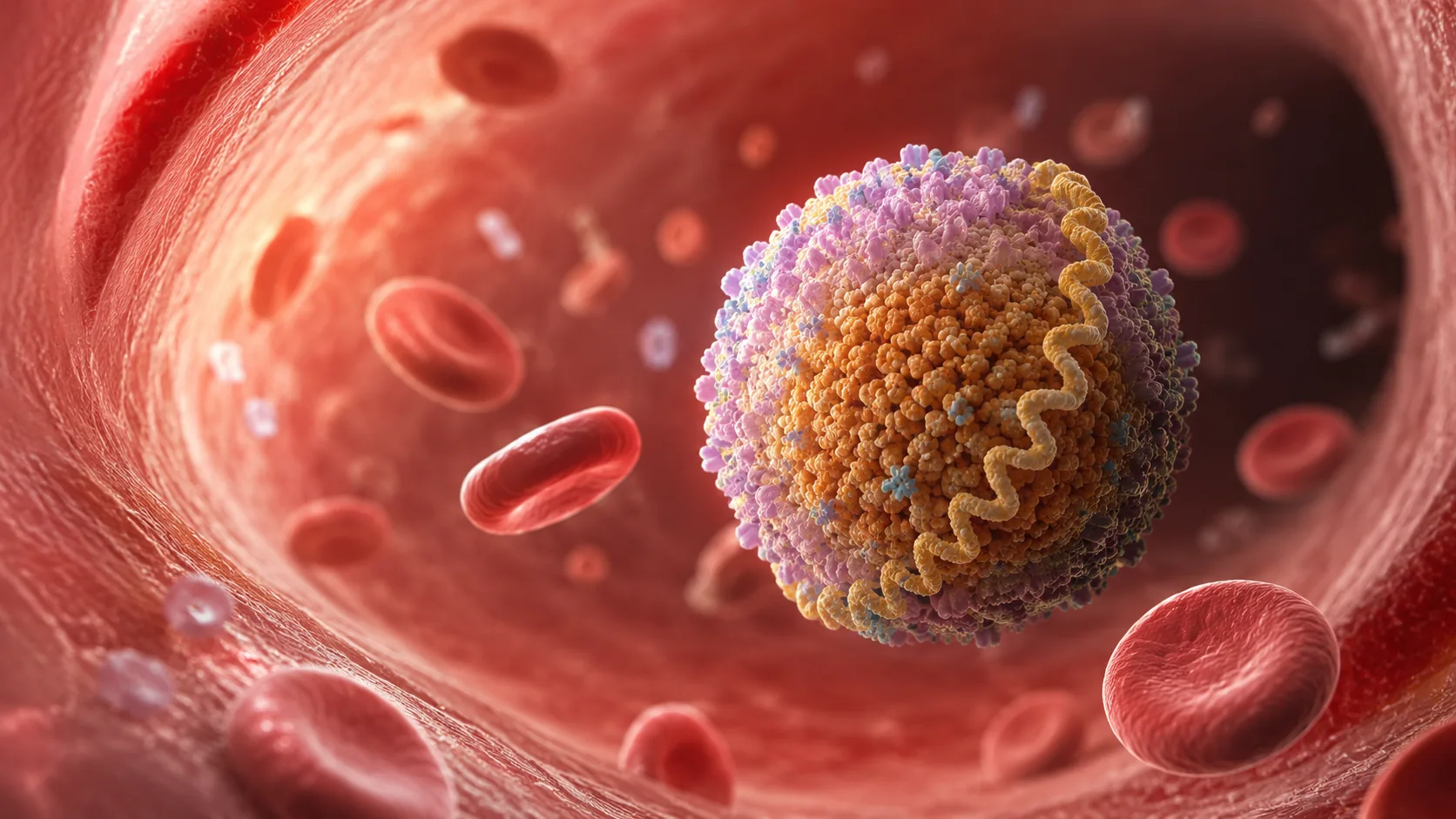

Does Cmv Infection Shorten Lifespan?
Does CMV Infection Shorten Lifespan?
TL;DR: For most healthy adults, CMV infection is unlikely to directly shorten lifespan. However, in older and immunocompromised individuals, persistent CMV may accelerate immune aging and raise the risk of age-related disease — making it a meaningful but not deterministic factor in longevity.
Cytomegalovirus (CMV) is one of the most widely studied viruses in aging research, but whether it shortens lifespan depends heavily on who carries it. In healthy, immunocompetent adults, CMV rarely causes serious illness and does not appear to directly reduce life expectancy. In older adults and those with weakened immune systems, however, persistent CMV infection is associated with accelerated immune aging, increased inflammation, and higher risk of cardiovascular and other age-related conditions — factors that collectively may influence healthspan and longevity.
What Is CMV and How Common Is It?
A Lifelong Viral Passenger
CMV is a member of the herpesvirus family. Like other herpesviruses, it establishes lifelong latency in the body after initial infection, periodically reactivating without causing obvious symptoms in most people. Global seroprevalence estimates suggest that between 50% and 80% of adults are CMV-positive by middle age, with rates rising further in older populations.
In healthy individuals, primary infection typically causes mild or no symptoms. The immune system contains the virus effectively, and most carriers remain unaware they are infected. That said, the long-term immunological cost of maintaining this viral containment is an active area of research — particularly in the context of how chronic infections may accelerate aging.
Does CMV Infection Shorten Lifespan?
What Current Evidence Suggests
The relationship between CMV and lifespan is not straightforward. Several large epidemiological studies have found associations between CMV seropositivity and markers of immune aging, frailty, and cardiovascular risk — particularly in older adults. However, association is not the same as causation, and CMV status alone does not determine lifespan.
Some research suggests that CMV-seropositive older adults show greater signs of immunosenescence — the gradual decline in immune function associated with aging — compared to seronegative peers of similar age. This raises the question of whether CMV accelerates biological aging or simply reflects a more aged immune environment. At present, the evidence does not conclusively establish that CMV is a direct cause of shorter lifespan in the general population.
In specific populations — transplant recipients, people living with HIV, and those on long-term immunosuppressive therapy — active CMV disease is a well-documented threat to both health and survival. For these groups, the clinical risks are clear and require active management.
Learn more in our complete guide to longevity.
How CMV Affects Immune Aging
The Immunological Burden of Viral Persistence
The immune system dedicates significant resources to controlling persistent CMV. Over decades, a growing proportion of T cells — particularly CD8+ cytotoxic T cells — become committed to CMV surveillance. This gradual shift is sometimes called “memory inflation,” and it contributes to a phenomenon researchers describe as immunosenescence: the progressive loss of immune flexibility with age.
As a result, older CMV-seropositive individuals may have a reduced capacity to mount effective responses to new pathogens or vaccines. This is not unique to CMV — other persistent herpesviruses such as EBV follow related patterns — but CMV is considered one of the strongest drivers of immune aging among chronic viral infections.
Importantly, this process unfolds over many years and interacts with other biological aging processes, including metabolic decline, chronic low-grade inflammation, and accumulated cellular damage. CMV is best understood as one contributing factor within a broader picture, not an isolated cause of immune decline. For a wider look at how immune aging develops, see our article on whether immunosenescence increases mortality risk.
CMV, Inflammation, and Age-Related Disease
The Inflammaging Connection
Persistent CMV infection has been linked to elevated levels of pro-inflammatory cytokines, including interleukin-6 (IL-6) and tumour necrosis factor-alpha (TNF-α). These markers overlap significantly with the chronic low-grade inflammation — often called inflammaging — that is associated with cardiovascular disease, cognitive decline, and other age-related conditions.
Some studies have found that CMV-seropositive older adults have higher rates of arterial stiffness and endothelial dysfunction compared to seronegative peers, suggesting a plausible pathway through which persistent viral infection could contribute to cardiovascular risk. However, these findings are largely observational, and controlling for confounding variables — such as socioeconomic status, comorbidities, and other infections — remains a methodological challenge.
In practice, CMV is unlikely to be acting alone. Rather, it appears to amplify existing biological aging processes, particularly when immune function is already compromised. The degree to which CMV contributes to disease risk in any individual depends on the interaction between viral burden, immune status, and overall health trajectory.
Who Is Most at Risk?
Vulnerability Varies Considerably
The populations most likely to experience meaningful health consequences from CMV infection include:
- Organ transplant recipients — CMV is a leading infectious complication post-transplant, where immunosuppression prevents effective viral control
- People living with HIV/AIDS — CMV retinitis and systemic disease are well-recognised complications of advanced immunosuppression
- Older adults with frailty or multiple comorbidities — already-compromised immune function may make CMV-related immune aging more clinically significant
- Neonates infected in utero — congenital CMV is a distinct concern with its own range of outcomes, separate from adult longevity considerations
For otherwise healthy adults under 60, the evidence does not support treating CMV seropositivity as a significant independent threat to longevity. That said, it remains a reasonable area to monitor, particularly as immune function declines naturally with age.
Managing CMV: What the Evidence Supports
No Cure, but Meaningful Levers Exist
There is currently no widely available vaccine against CMV, though several candidates are in development. Antiviral medications such as ganciclovir and valganciclovir are used to treat active CMV disease in high-risk clinical settings, but are not routinely used in latently infected healthy adults.
For most people, the most practical approach to minimising the long-term immunological burden of CMV centres on supporting overall immune health. Evidence-based lifestyle factors — including regular physical activity, adequate sleep, and a diet that limits chronic inflammation — are associated with better immune function in older adults and may help offset some aspects of immune aging, regardless of CMV status.
Exercise, in particular, has been shown to support immune surveillance and reduce inflammatory markers over time. Similarly, sleep is important for immune regulation and inflammatory balance. These are not CMV-specific interventions, but they are among the most reliably supported levers for maintaining immune function with age. For context on how these factors interact, see our hub article on immune aging and chronic inflammation.
For those with known CMV infection or immune risk factors, regular clinical monitoring — including assessment of immune health and inflammatory markers — allows for earlier identification of complications. This is particularly relevant for transplant recipients and other immunocompromised individuals, where CMV management is an active part of clinical care.
References and Resources
Authoritative Sources on CMV Infection and Aging
-
CDC — Cytomegalovirus (CMV)
cdc.govA reliable overview of CMV epidemiology, transmission, symptoms, and health implications across different population groups.
-
NIH — Cytomegalovirus Infection
niaid.nih.govDetailed coverage of the biological mechanisms of CMV infection, including its interaction with the immune system and implications for aging research.
-
PubMed — Research Articles on CMV and Aging
pubmed.ncbi.nlm.nih.govA searchable database of peer-reviewed research, including studies examining the relationship between CMV seropositivity, immunosenescence, and longevity outcomes.
-
American Academy of Allergy, Asthma, and Immunology — CMV
aaaai.orgClinical perspectives on CMV diagnosis, management, and risk stratification, particularly relevant for immunocompromised patients.
-
World Health Organization — CMV Facts
who.intGlobal data on CMV prevalence and burden, providing useful context for understanding population-level risk and public health relevance.
-
Medical News Today — CMV Overview
medicalnewstoday.comAn accessible summary of CMV symptoms, risk factors, and treatment options, useful for contextualising long-term health considerations.
-
Healio — Impact of CMV on Immune Aging
healio.comA clinically oriented discussion of how CMV contributes to immunosenescence and what this may mean for aging and disease risk in older adults.
Frequently Asked Questions
Does CMV infection shorten lifespan in healthy adults?
For most healthy, immunocompetent adults, CMV is unlikely to directly shorten lifespan. The virus often remains dormant without causing significant health problems. In older adults or those with compromised immunity, however, persistent CMV may contribute to immune aging and raise the risk of age-related conditions — potentially influencing healthspan, though not as a single determinant.
Can I reduce the health risks associated with CMV?
There is no widely available vaccine against CMV, and no way to eliminate a latent infection. Practically speaking, maintaining a healthy immune system through regular exercise, adequate sleep, and an anti-inflammatory diet is the most evidence-supported approach to limiting the long-term immunological burden of persistent viral infections. Discussing your status and risk factors with a healthcare provider is advisable if you have concerns.
Is there a treatment for CMV?
There is no cure for CMV, but antiviral medications — such as ganciclovir and valganciclovir — are used to manage active infection in high-risk clinical settings, including transplant recipients. For healthy, latently infected individuals, antivirals are not typically prescribed. Research into CMV vaccines is ongoing.
Should healthy people be concerned about CMV?
For immunocompetent adults, CMV is generally not a cause for significant concern. That said, awareness of CMV status can be useful for those with known immune vulnerabilities or who are planning immunosuppressive treatment. If you suspect exposure or have persistent symptoms, speak with a doctor rather than self-diagnosing.
How does CMV relate to immune aging in older adults?
Research suggests that persistent CMV infection contributes to immunosenescence — the gradual decline of immune function with age — by occupying a large proportion of the immune system’s T cell capacity over time. This may reduce immune flexibility and increase susceptibility to other infections or diseases. However, CMV is one factor among many that shape immune aging, and its relative contribution varies between individuals.
Conclusion
CMV infection is extremely common, and for most healthy adults it does not appear to directly shorten lifespan. The more nuanced picture emerging from research is that persistent CMV may accelerate aspects of immune aging — particularly in older adults — by sustaining a chronic immunological burden that contributes to inflammation and reduced immune flexibility over time. In immunocompromised individuals, the risks are more immediate and clinically significant.
Overall, CMV is best understood as one contributing factor within a broader landscape of immune aging, rather than an independent determinant of lifespan. For most people, the practical implication is not alarm, but awareness — particularly as immune function naturally declines with age. Supporting immune health through evidence-based lifestyle habits remains the most realistic and well-supported approach available.

Find out more information about CMV infection and lifespan
Search for more resources and information: