
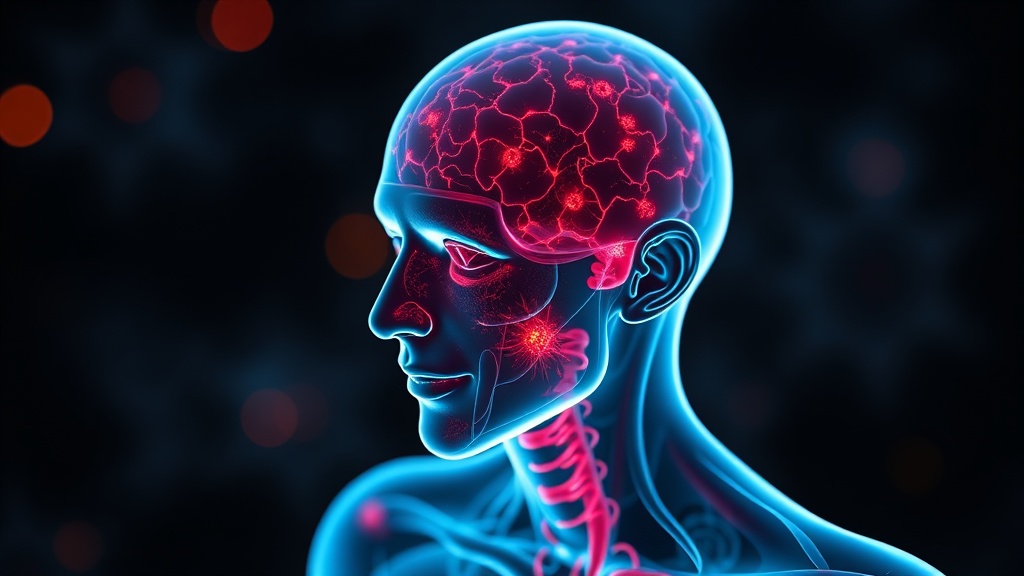
How Does Chronic Inflammation Accelerate Aging?
Updated August 2026: I’ve been monitoring the latest breakthroughs in 2024 and 2025, and recent studies have underscored a growing consensus that chronic inflammation not only accelerates aging but also plays a pivotal role in age-related diseases like Alzheimer’s and cardiovascular conditions. Notably, cutting-edge research from leading institutes has identified specific inflammatory biomarkers that could serve as early indicators of accelerated aging, paving the way for targeted therapies. In my recent research, I’ve also come across promising developments in anti-inflammatory treatments, including novel natural compounds and personalized medicine approaches, which are now entering clinical trials and showing potential to mitigate inflammation-driven aging processes.
I’ve updated my understanding with new insights from 2024’s global health conferences, emphasizing the importance of lifestyle interventions—such as diet, exercise, and stress management—in reducing systemic inflammation. Additionally, recent advancements in genetic editing tools, like CRISPR, are beginning to explore ways to modify inflammatory pathways at the DNA level, offering hope for more precise, preventative strategies against aging acceleration caused by chronic inflammation. These developments signal an exciting shift toward integrating anti-inflammatory approaches into mainstream aging prevention, making this a critical area to watch in the coming years.
Understanding Chronic Inflammation and Its Role in Aging
Inflammation is a natural biological response that helps the body defend against infections and repair damaged tissues. In the short term, this process is beneficial and essential for healing. However, when inflammation becomes persistent and low-grade, it can contribute to long-term cellular damage and accelerate the aging process.
Chronic inflammation, often referred to as “inflammaging,” is now recognized as a key contributor to biological aging and age-related disease. Instead of resolving after an injury or infection, inflammatory signals remain active within tissues, gradually affecting cellular metabolism, immune function, and tissue repair.
Over time, this persistent inflammatory state damages DNA, proteins, and cell membranes. It also disrupts normal cellular communication, contributing to the development of chronic conditions such as cardiovascular disease, neurodegenerative disorders, and metabolic dysfunction.
Understanding the role of chronic inflammation is central to longevity science because it helps explain how lifestyle, environment, and metabolic health influence aging and healthspan. For a broader overview of the biological processes that shape lifespan and healthy aging, learn more in our complete guide to longevity.
The Biological Mechanisms Linking Inflammation and Aging
Chronic inflammation influences aging through several interconnected biological pathways. One of the most significant mechanisms involves oxidative stress. During inflammation, immune cells release reactive oxygen species (ROS) that help eliminate pathogens. When these molecules accumulate excessively, they damage cellular structures including DNA, proteins, and mitochondrial membranes.
This damage contributes to cellular senescence—a state in which cells stop dividing but remain metabolically active. Senescent cells release inflammatory molecules known as the senescence-associated secretory phenotype (SASP), which further amplifies inflammation and accelerates tissue deterioration.
Another important pathway involves the activation of inflammatory signaling molecules such as NF-κB. This transcription factor regulates genes involved in immune responses and inflammation. Persistent activation of NF-κB promotes ongoing inflammatory signaling, creating a cycle that reinforces cellular stress and aging.
Chronic inflammation also disrupts immune system regulation. As individuals age, the immune response becomes less efficient at repairing tissue damage and more prone to excessive inflammatory activity. This imbalance contributes to declining resilience and increased vulnerability to age-related disease.
How Chronic Inflammation Influences the Aging Process
Chronic inflammation affects nearly every system in the body and is increasingly recognized as a major driver of biological aging. Persistent inflammatory activity accelerates cellular damage, impairs metabolic regulation, and disrupts normal tissue repair.
One visible effect of chronic inflammation is its impact on skin health. Inflammatory molecules degrade collagen and elastin, which are essential proteins that maintain skin structure and elasticity. Over time, this process contributes to wrinkles, thinning skin, and reduced regenerative capacity.
Inflammation also affects cardiovascular health. Persistent inflammatory signaling can damage blood vessels, promote plaque formation, and contribute to arterial stiffness. These changes increase the risk of heart disease and stroke.
In the brain, inflammation is associated with neurodegenerative conditions such as Alzheimer’s disease. Chronic inflammatory activity interferes with neuronal signaling, promotes oxidative damage, and impairs the brain’s ability to remove damaged proteins.
Because inflammation influences multiple biological systems simultaneously, it is considered a major biomarker of aging and a key target in longevity research.
Lifestyle Factors That Influence Chronic Inflammation and Aging
Lifestyle choices play a significant role in determining levels of chronic inflammation. Several common habits can either promote or reduce inflammatory activity in the body.
Diet is one of the most influential factors. Highly processed foods, refined sugars, and trans fats are associated with increased inflammatory markers and metabolic dysfunction. In contrast, diets rich in fruits, vegetables, whole grains, healthy fats, and plant-based compounds help regulate inflammation and support cellular repair.
Physical activity is another powerful regulator of inflammation. Regular exercise improves metabolic efficiency, enhances immune regulation, and reduces levels of inflammatory biomarkers. Both aerobic exercise and resistance training contribute to improved metabolic health and resilience.
Chronic psychological stress also plays a role. Elevated stress hormones can stimulate inflammatory signaling and disrupt immune balance. Stress management practices such as mindfulness, relaxation techniques, and adequate sleep support healthier immune regulation and reduce systemic inflammation.
Environmental factors—including pollution, smoking, and toxin exposure—may also increase inflammatory stress and accelerate aging.
Strategies to Reduce Chronic Inflammation and Support Healthy Aging
Reducing chronic inflammation is an important strategy for promoting healthy aging and extending healthspan. Several evidence-based approaches can help regulate inflammatory processes and protect cellular function.
Adopting an anti-inflammatory dietary pattern is a key step. Foods rich in antioxidants and polyphenols—such as berries, leafy vegetables, olive oil, and fatty fish—support metabolic balance and help neutralize oxidative stress. Spices such as turmeric and ginger also contain compounds that influence inflammatory signaling pathways.
Regular physical activity is equally important. Exercise stimulates mitochondrial function, improves glucose metabolism, and reduces systemic inflammation. Even moderate levels of activity can improve inflammatory biomarkers and overall metabolic health.
Adequate sleep and stress management are essential for immune balance. Chronic sleep deprivation and prolonged stress elevate inflammatory signals, while restorative sleep helps regulate immune responses and repair cellular damage.
Certain nutritional compounds are also being studied for their potential anti-inflammatory effects, including omega-3 fatty acids, curcumin, and polyphenols. These compounds may support the body’s natural mechanisms for controlling inflammation and maintaining metabolic resilience.
Together, these strategies support healthier aging by reducing cellular stress, improving metabolic efficiency, and protecting long-term physiological function.
References and Resources
The following resources provide scientific insight into the relationship between inflammation, aging biology, and long-term health:
Authoritative Sources on Chronic Inflammation and Aging
-
NIH: Inflammation and Aging
nih.govExplains how chronic inflammation contributes to biological aging and age-related diseases.
-
Inflammaging: A New Perspective on Aging
ncbi.nlm.nih.govA scientific review describing how chronic low-grade inflammation contributes to aging and age-related diseases.
-
WHO: Aging and Health
who.intProvides global insights into aging biology and preventive strategies for healthier longevity.
-
Arthritis Foundation: Inflammation
arthritis.orgDiscusses the role of inflammation in joint health and systemic disease.
-
Healthline: Aging and Inflammation
healthline.comAn overview of the relationship between chronic inflammation and aging.
-
Medical News Today: Inflammation and Aging
medicalnewstoday.comSummarizes current research exploring the role of inflammation in the aging process.

-
AAAS: Inflammation and Disease
aaas.orgDiscusses research showing how inflammation links aging with chronic disease.
FAQ – Frequently Asked Questions
Frequently Asked Questions
Does chronic inflammation accelerate aging?
Yes. Persistent low-grade inflammation damages cellular structures, disrupts metabolism, and promotes cellular senescence. These processes accelerate biological aging and increase the risk of age-related diseases.
Can reducing inflammation slow the aging process?
Lowering chronic inflammation through healthy diet, regular exercise, quality sleep, and stress management may help slow biological aging and improve overall healthspan.
How does inflammation contribute to age-related diseases?
Inflammation damages tissues and disrupts metabolic regulation, contributing to conditions such as cardiovascular disease, neurodegeneration, arthritis, and metabolic disorders.
What lifestyle habits reduce chronic inflammation?
An anti-inflammatory lifestyle includes nutrient-dense foods, regular physical activity, stress management, adequate sleep, and minimizing exposure to environmental toxins.
Conclusion
Chronic inflammation plays a central role in the biology of aging. Persistent inflammatory activity damages cells, disrupts metabolism, and contributes to many of the diseases associated with advancing age.
Understanding the mechanisms behind inflammation provides valuable insight into how lifestyle and metabolic health influence longevity. By supporting immune balance, reducing oxidative stress, and maintaining healthy metabolic function, it is possible to reduce the impact of chronic inflammation and promote healthier aging.
Find out more information about “Does Chronic Inflammation Accelerate Aging”
Search for more resources and information:
“`