Does Quercetin Act as a Senolytic?
Does Quercetin Act as a Senolytic?
TL;DR: Quercetin shows senolytic activity in laboratory and animal studies, but human evidence remains limited and preliminary. It may have a modest role as part of a broader healthy ageing strategy, but it is not a proven standalone senolytic treatment for humans.
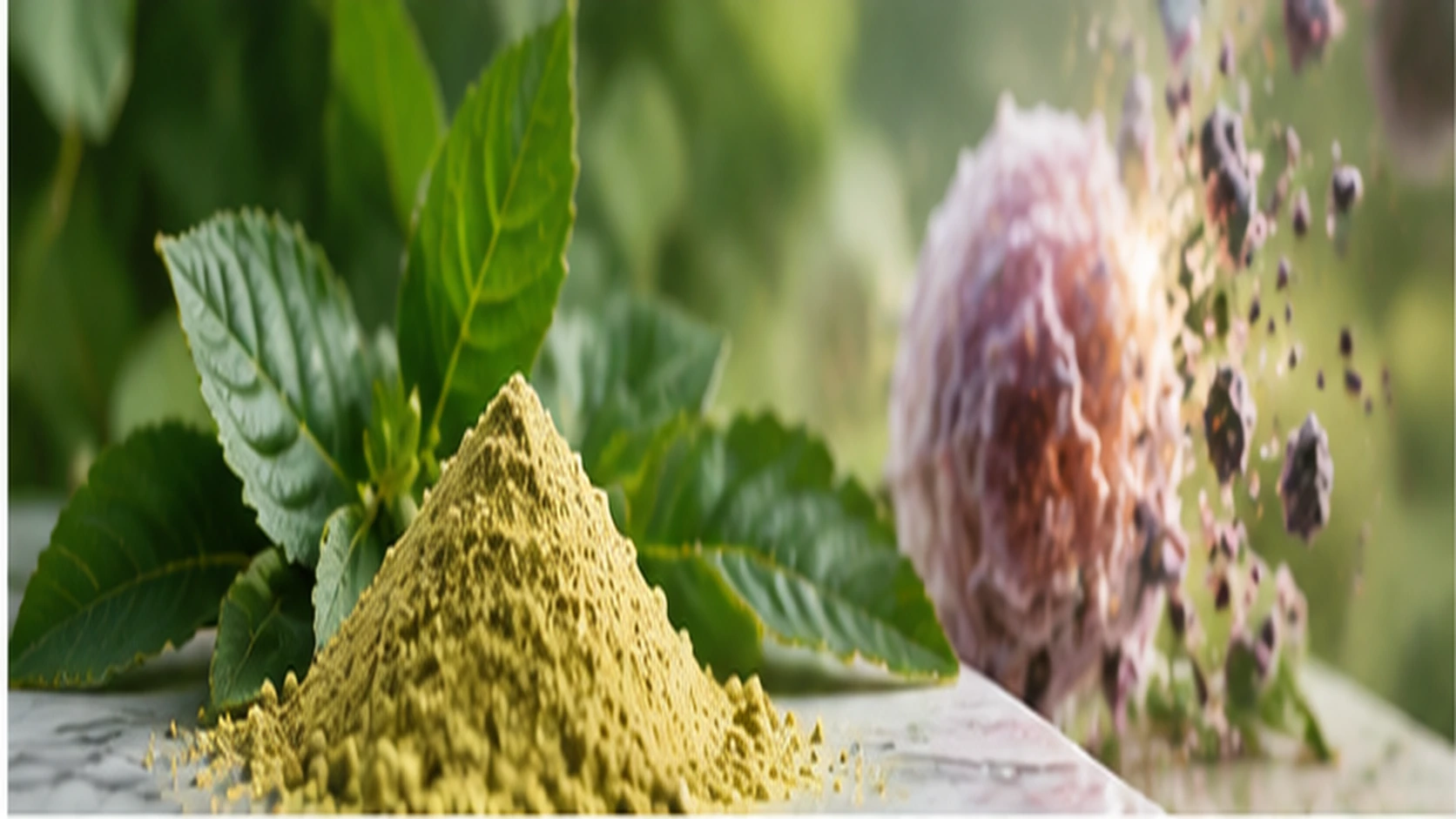
Quercetin, a plant-derived flavonoid, does appear to have senolytic properties — meaning it can selectively promote the death of senescent cells under certain conditions. However, the evidence supporting this effect comes primarily from cell culture and animal studies. Human clinical data is sparse, and the degree to which quercetin clears senescent cells in living humans at typical supplement doses remains uncertain. As a result, it is more accurate to describe quercetin as a candidate senolytic with promising preclinical support, rather than a confirmed anti-ageing treatment.
What Is Quercetin and How Does It Fit Into the Senolytic Landscape?
Quercetin as a Flavonoid
Quercetin is a polyphenolic flavonoid found naturally in foods such as onions, apples, capers, and berries. It has well-documented antioxidant and anti-inflammatory properties, and has been studied across a range of health contexts. In the context of cellular senescence, quercetin is one of several natural compounds that researchers have investigated for potential senolytic activity — the ability to selectively clear senescent cells rather than simply suppressing their inflammatory output.
To understand why this matters, it helps to know that senescent cells are damaged or stressed cells that have permanently stopped dividing but resist normal cell death. Over time, these cells accumulate in tissues and secrete a range of inflammatory signals collectively known as the senescence-associated secretory phenotype, or SASP. This chronic low-grade inflammation is thought to contribute to tissue dysfunction, impaired repair, and several features of biological ageing. For a broader overview of this process, see our article on what the SASP is and how it drives age-related inflammation.
How Quercetin Is Thought to Work as a Senolytic
Senescent cells resist apoptosis — the normal process of programmed cell death — partly because they upregulate pro-survival signalling pathways. Research suggests that quercetin may interfere with some of these survival mechanisms, particularly by inhibiting anti-apoptotic proteins such as Bcl-2 and PI3K/AKT pathway components. In doing so, it may lower the threshold at which senescent cells undergo apoptosis, effectively helping the body clear them.
Importantly, this mechanism appears to have some selectivity for senescent cells over healthy cells, at least in laboratory conditions. That said, the degree of selectivity in human tissue, at achievable blood concentrations, is not fully established.
Quercetin has also been studied in combination with the chemotherapy drug dasatinib. This combination — sometimes referred to as D+Q — was among the first senolytic approaches to show effects in both animal models and early human trials. However, the contribution of quercetin alone versus the combination effect is difficult to separate from existing research. For a fuller picture of how senolytics work more broadly, see our article on what senolytics are and how they are designed to function.
Scientific Evidence: What Do Studies Actually Show?
Preclinical Evidence
Animal studies provide the strongest current evidence for quercetin’s senolytic potential. In mouse models, quercetin — particularly when combined with dasatinib — has been shown to reduce markers of cellular senescence, lower SASP-related inflammation, and in some cases improve physical function and extend healthspan. These results have been replicated across different tissue types and ageing models, which strengthens the preclinical case.
In vitro studies similarly show that quercetin can selectively induce apoptosis in senescent human cells, including endothelial cells and fat tissue precursor cells. However, in vitro conditions do not always reflect what happens in a living organism, and concentration levels used in cell studies often exceed what is achievable through standard supplementation.
Human Evidence
Human clinical data on quercetin as a senolytic is limited. A small pilot study in patients with idiopathic pulmonary fibrosis — a condition associated with high senescent cell burden — found that a dasatinib and quercetin combination reduced certain senescence biomarkers in adipose tissue and improved some physical function measures. This was an encouraging early result, but the study was small, uncontrolled, and conducted in a specific disease population rather than healthy adults.
Further trials are ongoing, but as of current evidence, there are no large, well-controlled randomised trials confirming that quercetin supplementation meaningfully reduces senescent cell burden or improves healthspan in generally healthy humans. The existing human evidence is insufficient to draw firm conclusions about dose, timing, efficacy, or long-term safety.
Bioavailability Is a Significant Constraint
One practical limitation is that standard quercetin supplements are poorly absorbed. Oral bioavailability is variable and often low, meaning that typical supplement doses may not achieve the tissue concentrations needed to produce meaningful senolytic effects. Formulations designed to improve absorption — such as phytosome-bound or liposomal quercetin — have been developed in response to this, but comparative human data on whether these improve senolytic outcomes specifically remains limited.
This bioavailability issue makes it difficult to directly translate animal study findings, which often use injected or high-concentration quercetin, to standard oral supplementation in humans.
Practical Implications and Limitations
Where Quercetin Sits in the Broader Ageing Picture
Even if quercetin does exert some senolytic activity in humans, it is important to contextualise this within a realistic view of what drives healthy ageing. Lifestyle factors — consistent exercise, quality sleep, dietary patterns that reduce chronic inflammation, and maintaining metabolic and cardiometabolic health — have considerably stronger and more consistent evidence for supporting healthspan than any senolytic compound currently available. These foundations also appear to reduce the rate at which senescent cells accumulate in the first place, by improving metabolic function, reducing oxidative stress, and supporting tissue repair capacity.
Quercetin’s potential senolytic effect, if real, is likely to be modest and supporting rather than transformative as a standalone intervention. It may have a reasonable role as part of a broader strategy, but it should not be treated as a substitute for lifestyle foundations. Learn more in our complete guide to longevity.
For those curious about how quercetin compares to other natural senolytic candidates, it is worth reading about whether fisetin acts as a senolytic, as the two flavonoids are often discussed together and share some mechanistic overlap.
Is Quercetin Safe?
At moderate doses used in most studies — typically in the range of 500–1000 mg per day — quercetin appears to be generally well tolerated. Reported side effects are usually mild and may include gastrointestinal discomfort. At higher doses, there is some theoretical concern around interactions with certain medications, particularly those metabolised by cytochrome P450 enzymes. Anyone on prescription medications or with underlying health conditions should consult a healthcare professional before starting quercetin supplementation.
Importantly, the safety of long-term, high-dose quercetin specifically used as a senolytic — as opposed to its use as a general antioxidant supplement — has not been established in humans. The possibility that clearing senescent cells indiscriminately could have unintended consequences, such as impairing wound healing or disrupting tissue homeostasis, is a genuine biological consideration that remains under investigation.
What the Evidence Does Not Support
Current evidence does not support using quercetin as a proven anti-ageing treatment for healthy adults. The animal data is promising but cannot be directly extrapolated to humans. The limited human data comes from small studies in diseased populations. There is no established senolytic dosing protocol for quercetin in healthy people, and self-experimentation with aggressive senolytic cycling carries unknown risks. The responsible position, based on current evidence, is cautious interest rather than confident adoption.
References and Resources
Authoritative Sources on Quercetin as a Senolytic
-
Quercetin and Senescence: A Review
ncbi.nlm.nih.govReviews the cellular mechanisms by which quercetin may influence senescent cells, providing a scientific foundation for its potential senolytic activity.
-
Natural Senolytics: The Role of Flavonoids
frontiersin.orgExplores natural flavonoid compounds, including quercetin, and their potential to act as senolytics in ageing and disease models.
-
Senolytic Drugs and Natural Compounds
pubmed.ncbi.nlm.nih.govA comprehensive review of both pharmaceutical and natural senolytics, including quercetin, covering mechanisms and potential therapeutic roles.
-
Quercetin’s Antioxidant and Senolytic Properties
sciencedirect.comProvides biochemical detail on how quercetin may act to reduce senescence markers and oxidative stress in cells.
-
Longevity and Natural Compounds
aging-us.comExamines how natural compounds including quercetin may contribute to healthy ageing and their potential senolytic effects.
-
Senolytics: Advances and Challenges
ncbi.nlm.nih.govA detailed review discussing both synthetic and natural senolytics, including quercetin, and their prospects for ageing interventions.

-
Natural Senolytics in Practice
researchgate.netProvides practical insights into natural compounds used for senolytic purposes, with scientific context and discussion of limitations.
Frequently Asked Questions
Does quercetin act as a senolytic in humans?
The evidence in humans is preliminary. Small early-phase studies — primarily involving the quercetin and dasatinib combination — have shown reductions in certain senescence biomarkers in specific patient populations. However, well-controlled trials in healthy adults are lacking. Current evidence is not sufficient to confirm quercetin as an effective standalone senolytic in humans, though research is ongoing.
Can quercetin supplements be used as a natural senolytic?
Quercetin supplements are available and generally well tolerated, but their senolytic efficacy in humans has not been established. Bioavailability is a key limitation — standard quercetin is poorly absorbed, and it is unclear whether typical supplement doses achieve tissue concentrations sufficient for meaningful senolytic effects. If considering quercetin, choosing a high-bioavailability formulation and consulting a healthcare professional first is advisable.
What are the limitations of quercetin as a senolytic?
The main limitations are: poor oral bioavailability, a lack of robust human clinical trials, uncertainty about effective dosing in healthy adults, and the fact that most strong evidence comes from animal or cell-based studies. Quercetin is also less potent than pharmaceutical senolytics. It may offer modest benefit as part of a broader strategy, but should not be relied upon as a primary intervention.
Are there side effects associated with using quercetin as a senolytic?
At moderate doses, quercetin is generally well tolerated. Mild gastrointestinal side effects are the most commonly reported issue. At higher doses, potential interactions with medications metabolised by the liver are a concern. The long-term safety of using quercetin specifically in a senolytic context — particularly at high doses or in cycling protocols — has not been established in human studies. Medical advice is recommended before use, especially for those on medication or with existing health conditions.
Conclusion
Quercetin has genuine scientific interest as a potential natural senolytic. Preclinical evidence — from cell studies and animal models — supports the idea that it can selectively promote apoptosis in senescent cells, likely through interference with anti-apoptotic survival pathways. However, human evidence remains limited, and translating these findings to meaningful outcomes in healthy adults is not yet supported by current data.
In practice, quercetin is best understood as a promising candidate in an early-stage field, not a proven anti-ageing treatment. Poor bioavailability, a lack of established human dosing, and the absence of large clinical trials all limit confidence in its senolytic efficacy at this stage. For those interested in reducing senescent cell burden and supporting healthy ageing, lifestyle foundations — particularly exercise, sleep quality, and metabolic health — remain considerably better evidenced and should take priority over any supplementation strategy.
That said, quercetin is safe at moderate doses for most people and may offer complementary benefit as part of a well-considered approach to longevity. Staying informed as clinical research develops is the most sensible position.
Find out more information about quercetin as a senolytic
Search for more resources and information: