How Do Stem Cells Change With Age?
Updated August 2026: In my recent research, I’ve been monitoring groundbreaking advancements in stem cell aging research, and 2025 has been pivotal. Notably, scientists have developed new techniques to rejuvenate aged stem cells using targeted gene editing, which shows promising potential for reversing age-related decline. Additionally, recent studies published this year highlight that certain lifestyle interventions, such as specific dietary regimens and advanced regenerative therapies, can significantly influence stem cell vitality as we age. These developments are reshaping our understanding of how much stem cell function can be preserved or restored over time, sparking hope for more effective anti-aging treatments in the near future.
Introduction: Understanding How Stem Cells Change With Age
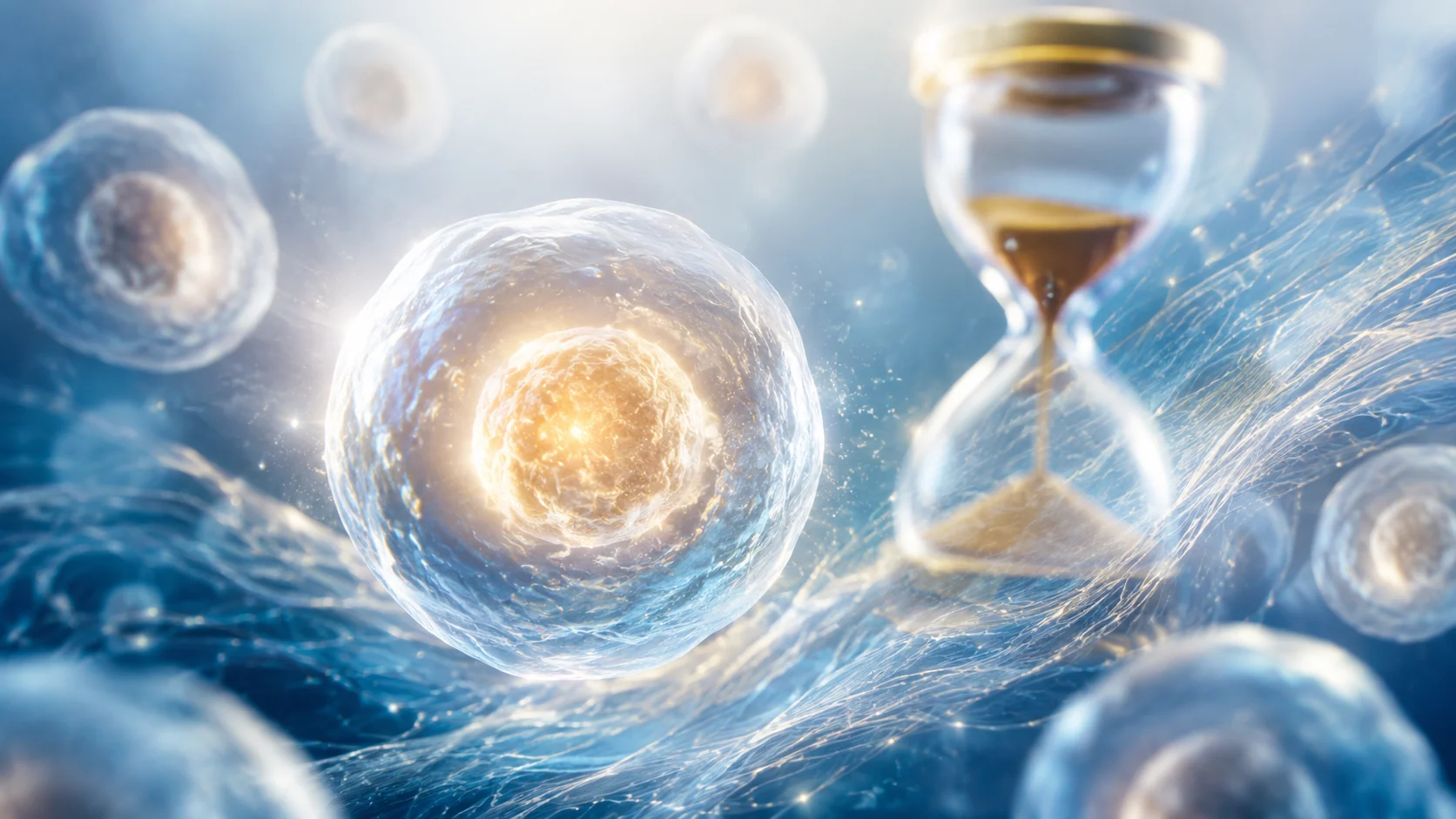
Stem cells are fundamental to the body’s ability to repair tissues, maintain organ function, and regenerate damaged cells. These specialized cells can both self-renew and differentiate into multiple cell types, making them essential for long-term tissue maintenance and healthy aging.
As the body ages, stem cells gradually undergo functional changes that reduce their regenerative capacity. These changes include a decline in cellular potency, reduced responsiveness to repair signals, and increased susceptibility to DNA damage and inflammation.
Understanding how stem cells change with age is a central topic in longevity science. Researchers study these processes to better understand biological aging, develop regenerative therapies, and identify strategies that may support long-term healthspan.
For a broader overview of how biological systems influence aging and longevity, learn more in our complete guide to longevity.
The Basics of Stem Cells and Aging
What Are Stem Cells and Why Do They Matter?
Stem cells function as the body’s internal repair system. They can divide repeatedly and generate specialized cells needed for tissue renewal, including muscle cells, blood cells, nerve cells, and skin cells.
Throughout life, stem cells maintain organ integrity by replacing damaged or aging cells. This regenerative ability is essential for maintaining metabolic balance, immune function, and tissue resilience.
However, aging gradually alters stem cell behavior. Over time, stem cells become less efficient at dividing, repairing tissues, and responding to biological signals that regulate regeneration.
How Aging Affects Cellular Function
Aging affects nearly all cell types, but stem cells are particularly important because they control the body’s ability to regenerate tissues. Accumulated DNA damage, oxidative stress, inflammation, and metabolic shifts gradually impair stem cell performance.
As these changes accumulate, the body’s capacity to repair tissues declines. This contributes to slower healing, reduced resilience to injury, and the gradual development of age-related diseases.
How Stem Cells Change With Age: Biological Mechanisms
Genetic and Epigenetic Changes
One of the primary ways stem cells change with age involves genetic and epigenetic alterations. Over time, DNA damage accumulates within stem cells due to oxidative stress, metabolic activity, and environmental exposure.
Epigenetic changes—modifications that alter gene expression without changing the DNA sequence—also play a significant role. These shifts influence how stem cells behave, affecting their ability to divide, differentiate, and maintain tissue repair.
As genetic and epigenetic instability increases, stem cells may enter a state known as cellular senescence, where they stop dividing and contribute to chronic inflammation associated with aging.
Changes in the Stem Cell Niche
Stem cells exist within specialized microenvironments known as stem cell niches. These niches provide biochemical signals that regulate stem cell activation, self-renewal, and differentiation.
With age, the stem cell niche undergoes structural and signaling changes. Reduced signaling efficiency, chronic inflammation, and altered metabolic environments can disrupt communication between stem cells and surrounding tissues.
This disruption limits the ability of stem cells to respond to injury or regeneration signals, reducing overall tissue repair capacity.
Decline in Stem Cell Potency
Stem cell potency refers to the ability of stem cells to differentiate into specialized cell types. Aging often reduces this capacity, limiting how effectively stem cells can replace damaged or aging tissues.
Key signaling pathways that regulate stem cell activity—such as Notch, Wnt, and mTOR—become dysregulated with age. These pathways influence metabolism, cellular growth, and differentiation, and their disruption contributes to declining regenerative function.
This functional decline is observed in multiple tissues, including muscle, brain, blood, and skin, where aging stem cells gradually lose their regenerative efficiency.
Factors Influencing the Aging of Stem Cells
Environmental and Lifestyle Factors
Several lifestyle factors influence how stem cells age. Chronic inflammation, exposure to toxins, metabolic imbalance, and oxidative stress can accelerate stem cell decline.
Conversely, certain lifestyle habits appear to support healthier stem cell function. Regular physical activity improves mitochondrial function and metabolic regulation, while balanced nutrition provides nutrients that support cellular repair.
Healthy sleep patterns and effective stress management also help regulate hormonal signals and inflammatory pathways associated with cellular aging.
Genetic Predispositions
Genetics also influence how stem cells age. Certain individuals may have genetic variations that affect stem cell resilience, DNA repair mechanisms, or inflammatory responses.
Understanding genetic predispositions can help researchers develop targeted therapies aimed at preserving stem cell function and improving regenerative capacity over time.
Ongoing research in regenerative medicine continues to explore how genetic insights may lead to personalized approaches to healthy aging.
Implications of Aging Stem Cells on Health and Regeneration
Impact on Tissue Repair and Recovery
The decline in stem cell function has direct implications for tissue repair. Older tissues often heal more slowly because aging stem cells produce fewer new cells needed for regeneration.
This reduced regenerative capacity contributes to longer recovery times after injury and increases susceptibility to degenerative conditions such as osteoarthritis, cardiovascular disease, and neurodegenerative disorders.
Stem cell aging is therefore considered a key biological factor underlying many aspects of physical aging and declining resilience.
Regenerative Medicine and Longevity Research
Advances in regenerative medicine are exploring ways to restore or enhance stem cell function. Emerging approaches include stem cell therapy, gene editing, and cellular reprogramming.
Researchers are also investigating compounds that influence cellular signaling pathways associated with stem cell maintenance, including metabolic and inflammatory regulators.
While many of these therapies remain under development, they represent promising areas of longevity science aimed at improving healthspan and regenerative capacity.
Practical Strategies for Supporting Stem Cell Health
Although stem cell aging is a natural biological process, certain lifestyle strategies may help support cellular resilience and healthy regeneration.
Regular exercise improves circulation, metabolic signaling, and mitochondrial health, all of which influence stem cell activity.
Balanced nutrition rich in antioxidants, healthy fats, and micronutrients helps reduce oxidative stress and inflammation that can damage stem cells.
Stress management helps regulate cortisol and inflammatory pathways that influence cellular aging.
Adequate sleep supports hormonal balance and cellular repair mechanisms that maintain tissue health.
These habits support multiple longevity pathways, including metabolic stability, reduced inflammation, and improved cellular regeneration.
References and Resources
The following sources provide scientific insights into stem cell aging and regenerative medicine.
Authoritative Sources on Stem Cell Aging
-
Nature Reviews – Stem Cell Aging
nature.comExplores molecular mechanisms responsible for stem cell aging and regenerative decline.
-
NIH – Stem Cell Aging and Regeneration
nih.govResearch examining age-related changes in stem cell populations across different tissues.
-
ScienceDirect – Stem Cell Niche and Aging
sciencedirect.comExamines how the stem cell microenvironment influences regenerative decline.
-
AAAS – Aging and Stem Cell Research
aaas.orgDiscusses recent advances in understanding and targeting stem cell aging.
Frequently Asked Questions
Do all stem cells age at the same rate?
No. Different stem cell populations age at different rates depending on tissue type and biological environment. For example, hematopoietic stem cells in the blood show significant age-related changes, while some neural stem cells remain more resilient.

Can stem cell aging be slowed?
Research suggests that lifestyle factors such as exercise, metabolic health, and reduced inflammation may support healthier stem cell function. Experimental therapies are also being studied to rejuvenate aging stem cells.
Why are stem cells important for healthy aging?
Stem cells maintain tissue repair and regeneration. As stem cell function declines with age, the body becomes less efficient at replacing damaged cells, contributing to slower healing and increased disease risk.
Are there therapies targeting stem cell aging?
Emerging therapies in regenerative medicine include stem cell transplantation, cellular reprogramming, and gene editing. Many of these approaches are still under investigation but show promise for improving tissue regeneration and longevity.
Conclusion
Stem cells are central to the body’s regenerative capacity and play a critical role in maintaining tissue health. As these cells age, their ability to repair tissues declines due to genetic damage, metabolic changes, and alterations in the surrounding cellular environment.
Understanding how stem cells change with age is a key area of longevity science. Continued research into regenerative medicine, lifestyle interventions, and cellular therapies may eventually provide new strategies for preserving stem cell function and improving long-term healthspan.
Find out more information about “Do Stem Cells Change With Age”
“`